What to know about allergy safe cleaning in West Drayton homes
If you live with sneezing, itchy eyes, or that annoying tight-chest feeling that seems to flare up after cleaning day, you are not imagining it. Allergy safe cleaning in West Drayton homes is about more than making a place look tidy. It is about removing the stuff that can trigger reactions, without adding extra irritants from harsh products, heavy fragrances, or poor cleaning habits. And yes, that balance can be a bit fiddly at first.
West Drayton homes see the usual mix of dust, traffic residue, damp patches, pet hair, and seasonal pollen drifting in on shoes, open windows, and coats. In a family house, a flat, or a busy rental, the small details matter. This guide breaks down what allergy safe cleaning really means, how it works in practice, and what to look for if you want cleaner air and a calmer home.
Table of Contents
- Why allergy safe cleaning in West Drayton homes matters
- How allergy safe cleaning works
- Key benefits and practical advantages
- Who this is for and when it makes sense
- Step-by-step guidance
- Expert tips for better results
- Common mistakes to avoid
- Tools, resources and recommendations
- Law, compliance, standards, or best practice
- Options, methods, or comparison table
- Case study or real-world example
- Practical checklist
- Conclusion
- Frequently asked questions
Why allergy safe cleaning in West Drayton homes matters
Let's face it: ordinary cleaning does not always equal healthier cleaning. A freshly fragranced room can still be full of airborne irritants, and a shiny kitchen can still leave allergy sufferers miserable if dust, mould spores, pet dander, or strong residues are left behind. That is the heart of the issue.
In West Drayton, many homes sit close to busy roads, transport links, and constantly changing weather patterns. That means more grit, more outdoor particles tracked indoors, and more chances for damp to show up in corners, around windows, or behind furniture. Combine that with carpets, soft furnishings, and central heating, and you have a fairly effective trap for allergens. Not ideal.
For households with asthma, hay fever, eczema, or sensitivity to fragrance and cleaning chemicals, the difference can be noticeable. You may not need a "medical" cleaning service as such, but you do need a method that is careful, consistent, and low-irritant. That is where allergy aware routines and proper product choices make a real difference.
Key point: allergy safe cleaning is not about using more product. It is about using the right method, the right tools, and the right order so irritants are removed rather than stirred up.
There is also a practical side. A cleaner, lower-allergen home often feels easier to live in. You notice less dust on dark surfaces, fewer musty smells in the morning, and less of that "I can feel the room on my chest" feeling after vacuuming. Small things, but they add up.
How allergy safe cleaning works
Allergy safe cleaning works by targeting the sources of irritation instead of just the visible mess. That means reducing dust reservoirs, limiting chemical exposure, controlling moisture, and using methods that capture particles rather than launch them into the air. Simple enough in theory. In practice, it needs a bit of discipline.
1) Remove allergens, don't just redistribute them
Dry dusting with a feather duster is a classic way to make a home look clean while actually moving allergens around. Better methods use lightly damp microfibre cloths, HEPA-filter vacuums, and gentle washing where appropriate. The idea is to trap particles, not bounce them from shelf to floor to breathing space.
2) Reduce chemical load
Strongly scented sprays, bleach-heavy routines, and harsh solvents can leave residues or vapours that bother sensitive people. Many allergy safe routines use fragrance-free or low-fragrance products, and in some cases simple soap-based solutions. That does not mean "natural" is always safer, by the way. Some essential oils can be irritating too. Annoying, but true.
3) Control moisture and mould risk
Mould is a common issue in damp bathrooms, around poorly ventilated windows, and in cooler corners of older properties. Allergy safe cleaning includes drying surfaces properly, improving airflow, and dealing with the cause of damp rather than just scrubbing the visible patch. If the smell is musty before you even see anything, that is often a clue.
4) Clean from top to bottom, room by room
This helps prevent recontamination. Clean shelves before floors, fabric areas before hard floors, and high surfaces before low ones. If you vacuum first and dust afterward, well, you will probably be back at square one before lunch.
5) Use timed, routine maintenance
Allergy control is usually better with regular light cleaning than occasional intense deep cleans. Weekly upkeep often beats one heroic weekend blitz. That is just how dust behaves.
Key benefits and practical advantages
The biggest benefit is obvious: fewer triggers in the home. But there are several other advantages worth paying attention to, especially if you are deciding whether to change your current routine or bring in professional help.
- Better indoor comfort: less sneezing, less throat irritation, and fewer lingering smells from products.
- Reduced dust build-up: especially useful for carpets, curtains, upholstery, and soft furnishings.
- Improved sleep environment: bedrooms often benefit the most from low-allergen cleaning.
- Safer approach for children and pets: fewer chemical residues on floors and shared surfaces.
- Less disruption for sensitive households: useful when someone reacts to perfume, strong sprays, or airborne particles.
There is a practical money angle too. If your cleaning routine protects carpets, upholstery, and curtains from embedded dirt and damp-related issues, you may extend the life of those items. That is not magic. Just sensible maintenance.
One thing people often notice is that the house starts smelling less "cleaning product" and more like, well, a home. That is a good sign. A quiet one, but a good one.
Who this is for and when it makes sense
Allergy safe cleaning in West Drayton homes makes sense for more households than you might think. It is not just for people with diagnosed allergies. If you have ever walked into a room and immediately felt the dust, the damp, or the perfume-like residue in the air, you already understand the problem.
It is especially useful for:
- families with hay fever, asthma, eczema, or fragrance sensitivity
- homes with pets that shed hair or carry outdoor pollen indoors
- rental properties where turnover leaves dust and cleaning residue behind
- older homes that may be more prone to damp or ventilation issues
- newly renovated properties where fine dust lingers in soft furnishings
- busy households that want a practical, repeatable system rather than a one-off deep clean
It also makes sense when someone in the household is recovering from a respiratory flare-up or is particularly sensitive for a period of time. In those cases, gentler methods and better ventilation can make cleaning less of an ordeal.
To be fair, if nobody in the home is sensitive and the space is small, you may not need a full allergy-focused overhaul. But even then, the basics of lower-dust, lower-fragrance cleaning can still improve the feel of the home.
Step-by-step guidance
If you want a home-cleaning routine that is more allergy aware, this is a sensible place to start. Keep it steady. Keep it simple. The aim is not perfection. The aim is fewer triggers.
- Open windows briefly if outdoor conditions are suitable. Fresh air helps, but if pollen is high or traffic is heavy, a short controlled airing may be better than leaving windows open all morning.
- Start with fabrics and soft surfaces. Use a HEPA vacuum on carpets, sofas, mattresses, rugs, and curtains where appropriate. Dust hides in fibres far more than people realise.
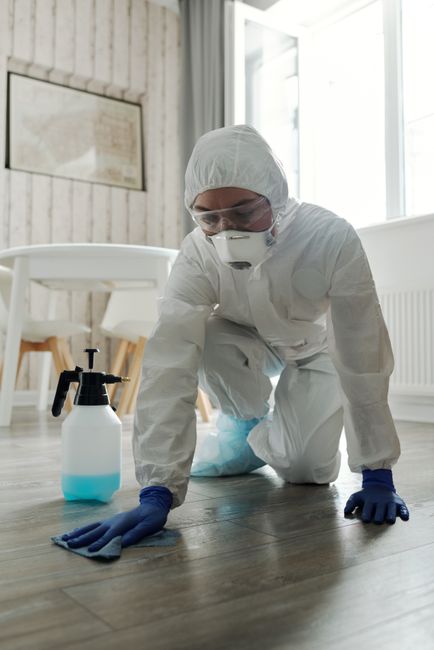
- Wipe hard surfaces with a damp microfibre cloth. This is usually better than dry dusting. Rinse or replace cloths often so you are not spreading grime around.
- Use fragrance-free or low-irritant products. Test new products in a small area first, especially on delicate materials. Some products are marketed as gentle but still contain strong scent.
- Deal with moisture immediately. Dry bathroom tiles, sills, and splash zones after use if mould is a recurring issue. Fix leaks and poor ventilation rather than chasing the stain.
- Wash bedding regularly. Bedding is a major dust and skin-flake collector. Warm laundering, where fabric care allows, is often part of an allergy-aware routine.
- Clean high-touch areas last. Switches, handles, and remotes collect daily build-up. A final wipe helps keep the house feeling fresh without backtracking.
When you are finished, pause and notice the air. If the room feels lighter and less sharp in the nose, you have probably done it right. If it smells like a perfume counter, probably not.
Expert tips for better results
Over time, the little decisions matter more than the big dramatic cleans. A few experienced habits can make allergy safe cleaning much more effective.
Choose filtration over fragrance
A vacuum with good filtration is often more useful than a dozen scented sprays. The whole point is to remove airborne particles and keep them contained. If the vacuum leaks dust back into the room, you are working against yourself. Not ideal, obviously.
Use separate cloths for different tasks
One cloth for bathrooms, another for dusting, another for kitchen surfaces. It sounds picky, but it helps prevent cross-contamination. No one wants bathroom grime drifting into the bedside table routine.
Be careful with "natural" products
Natural does not automatically mean allergy safe. Some plant-based fragrances, vinegar-heavy mixes, and essential oils can trigger headaches or irritation. If your home has sensitive occupants, fragrance-free is often the safer starting point.
Vacuum slowly, not fast
Rushing the vacuum means missing fine dust and reducing pickup efficiency. A slower pass gives the machine time to collect particles from carpet pile and edge areas. It is a boring tip, but it works.
Focus on hidden zones
Behind radiators, under beds, around skirting boards, and on curtain tops are classic allergen hiding places. These areas are easy to skip because, well, nobody sees them. But the dust still lives there.
Build a "low-trigger" storage habit
Keep cleaning products sealed, stored away from bedrooms, and out of warm sunlight where possible. Strong products left open can perfume a room even when not in use. Mildly strange, but true.
Common mistakes to avoid
Most allergy-safe cleaning problems come from good intentions mixed with the wrong method. The main traps are predictable, which is useful because they are easier to avoid once you know them.
- Using too much product: more cleaner does not equal cleaner air. It often means residue.
- Dry dusting everywhere: it spreads particles instead of trapping them.
- Forgetting soft furnishings: rugs, sofas, cushions, and curtains hold a surprising amount of dust.
- Neglecting ventilation: trapped humidity supports mould growth and stale air.
- Cleaning top surfaces last: debris drops onto already-cleaned areas and wastes effort.
- Ignoring mattress and bedding care: bedrooms can become a quiet hotspot for allergens.
- Using heavily fragranced sprays to "mask" odours: masking is not removal.
There is also a psychological mistake: trying to do everything in one go. That rarely lasts. A simple routine you can keep is better than a perfect routine you abandon after a week.
Tools, resources and recommendations
You do not need a cupboard full of specialist products to make allergy safe cleaning work. In many homes, a short list of sensible tools is enough.
| Tool or item | Why it helps | What to look for |
|---|---|---|
| HEPA-filter vacuum | Captures fine dust and allergen particles | Good filtration, sealed system, suitable attachments |
| Microfibre cloths | Traps dust when used slightly damp | Washable, colour-coded if possible |
| Fragrance-free cleaner | Reduces scent-related irritation | Low-residue, suitable for your surface type |
| Mop with washable pad | Useful for hard floors without excess wetness | Easy to rinse and dry properly |
| Dehumidifier or ventilation support | Helps manage damp in problem rooms | Appropriate to room size and moisture level |
| Laundry and bedding routine | Reduces dust and skin build-up in soft furnishings | Fabric-safe settings and regular schedule |
If you are comparing professional help, look for a cleaning service that can explain its methods clearly. That includes the types of products used, how soft furnishings are treated, and whether the team can adapt for sensitivities. You do not need jargon. You need clarity.
Useful pages on this site include carpet cleaning, upholstery cleaning, and mattress cleaning if you want to reduce dust reservoirs in the parts of the home that do the most hiding. For homes with pets, pet stain and odour removal can also be relevant when smell and dander are part of the issue.
Law, compliance, standards, or best practice
For most homeowners, allergy safe cleaning is a practical best-practice issue rather than a heavily regulated one. Still, there are a few standards of care worth keeping in mind, especially if you hire help or manage a property.
First, products should be used exactly as intended. That means following label instructions, ventilating appropriately, and storing chemicals safely. It sounds basic, but basics matter when people in the home have sensitivities. If a product is too strong, too fragrant, or simply not suited to the surface, it can make matters worse.
Second, if you are booking a cleaning provider, it is reasonable to ask about insurance, safety procedures, and product handling. A professional business should be able to talk plainly about risk management, access arrangements, and any steps taken to reduce exposure for occupants. If they cannot explain it simply, that is a bit of a red flag.
Third, for rental properties and shared accommodation, cleanliness and damp control are practical management issues as well as comfort issues. Persistent mould, poor ventilation, or neglected dust build-up can become a bigger problem over time. Good housekeeping and timely maintenance usually save more trouble than they create.
You can also review a company's health and safety policy, insurance and safety information, and terms and conditions if you want a clearer sense of how they work. That kind of transparency matters, especially in homes where allergy control is the main reason for booking.
Options, methods, or comparison table
Different cleaning methods suit different homes. The "best" option depends on your surfaces, the severity of sensitivity, and how much maintenance you can realistically keep up with. Here is a straightforward comparison.
| Method | Good for | Pros | Watch outs |
|---|---|---|---|
| HEPA vacuuming | Carpets, rugs, mattresses, upholstery | Captures fine particles well | Needs correct filters and slow passes |
| Damp microfibre cleaning | Hard surfaces, shelves, skirting boards | Reduces dust spread | Cloths must be rinsed often |
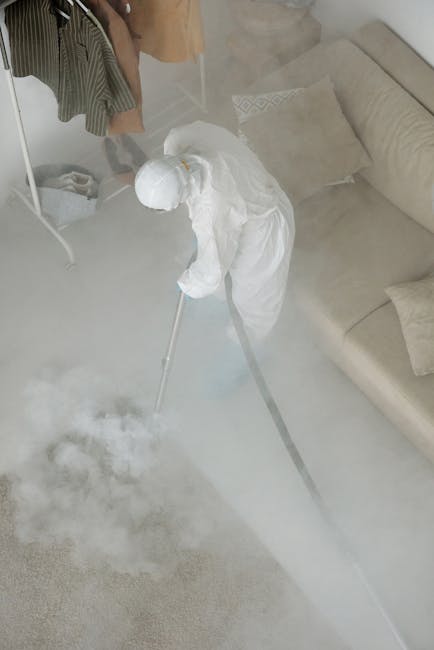
| Steam cleaning | Some carpets and upholstery, depending on fabric | Can help with deep cleaning | Not suitable for every surface; excess moisture can be an issue |
| Fragrance-free general cleaning | Whole-home routine | Lower irritation risk | Product choice still matters |
| Deep clean by specialist | Problem areas, move-in/move-out, seasonal reset | Useful for heavy build-up | Quality varies; ask about methods first |
For some West Drayton homes, a blend works best: regular low-irritant maintenance at home plus occasional professional help for carpets, sofas, or mattresses. That can be a sensible middle ground rather than trying to do everything yourself with supermarket spray and hope.
Case study or real-world example
A typical example: a family in a West Drayton semi-detached house had one child with hay fever and a partner who reacted badly to strong bleach-based cleaners. The house looked clean most of the time, but the child was waking up congested and the hallway often carried a damp, dusty smell after rainy days.
The turning point was not a dramatic makeover. It was a cleaner, calmer routine. They switched to fragrance-free products, used damp microfibre cloths for surfaces, cleaned skirting boards and under-bed areas more often, and had the carpets and sofa professionally deep cleaned. Curtains were also given attention because they had quietly been acting like a dust net. Nobody had really looked at them for months, truth be told.
After a few weeks, the home did not look wildly different, but it felt different. Less sharp. Less heavy. The family said mornings were easier and cleaning no longer caused the same irritation. Not perfect, not a miracle, just better. And in real life, that is often enough.
Practical checklist
Use this as a quick home check if you want a more allergy-aware cleaning setup.
- Use fragrance-free or low-irritant cleaning products where possible
- Vacuum with proper filtration and suitable attachments
- Clean soft furnishings regularly, not just visible hard surfaces
- Wipe with damp microfibre rather than dry dusting
- Pay attention to bedrooms, mattresses, and curtains
- Look for signs of damp, condensation, or mould around windows and bathrooms
- Ventilate rooms safely and sensibly
- Reduce clutter that collects dust
- Wash bedding and cushion covers on a regular schedule
- Ask professional cleaners about methods if sensitivities are a concern
If you want extra support with pricing or planning, it may help to review pricing and quotes before deciding what to clean yourself and what to hand over. A clear plan usually feels less stressful than trying to guess your way through it.
Conclusion
What to know about allergy safe cleaning in West Drayton homes comes down to a few honest principles: reduce dust, avoid harsh irritants, manage moisture, and clean in a way that actually removes allergens instead of moving them about. The most effective routines are usually the quiet, consistent ones. Nothing flashy. Just sensible habits that make the home easier to breathe in.
If you are dealing with sensitive family members, pets, seasonal pollen, or stubborn dust in carpets and fabrics, a low-trigger cleaning approach can make a meaningful difference. And if you choose professional help, ask clear questions, expect clear answers, and trust your instincts. A good service should make things simpler, not more complicated.
Get a free quote today and see how much you can save.
Sometimes the best home improvement is the one you notice only because you can finally exhale a little more easily.
Frequently Asked Questions
What does allergy safe cleaning actually mean?
It means cleaning in a way that reduces common triggers like dust, pollen, pet dander, mould, and strong chemical smells. The goal is to make the home cleaner without adding new irritants.
Is fragrance-free always better for allergy sufferers?
Usually, yes, because fragrance is a common trigger. That said, always check the full product contents. Some "fresh" or "natural" products still contain irritating ingredients.
How often should allergy sensitive homes be cleaned?
Light, regular cleaning is usually better than infrequent deep cleans. High-use areas, bedrooms, and soft furnishings often need the most consistent attention.
Do carpets make allergies worse?
Carpets can hold dust and allergens if they are not maintained properly, but they can also trap particles until vacuumed. The real issue is maintenance and filtration, not carpet alone.
Can steam cleaning help with allergies?
It can help in some situations, especially with certain carpets and fabrics, but it is not suitable for every material. Excess moisture can create its own problems if not managed correctly.
What should I avoid if someone in the home has asthma?
Avoid heavy fragrance, harsh sprays, dusty dry cleaning methods, and anything that leaves the air feeling strong or chemical-heavy. Good ventilation matters too, but do it sensibly if pollen is a trigger.
Are natural cleaning products safer?
Not automatically. Some natural ingredients, especially strong plant oils or vinegar-heavy mixtures, can irritate sensitive people. Safer usually means lower-irritant and better matched to the task.
What rooms matter most for allergy safe cleaning?
Bedrooms, living rooms, bathrooms, and any room with carpets or soft furnishings are usually the most important. These areas tend to collect the most dust, moisture, or fabric-based allergens.
How do I know if mould is part of the problem?
A musty smell, recurring spotting around windows or bathrooms, and worsening symptoms in damp weather can all be clues. If mould keeps returning, the underlying moisture source needs attention.
Should I tell a cleaner about allergies before booking?
Absolutely. A good cleaner can only adapt if they know what matters. Mention fragrance sensitivity, asthma, pet concerns, or any products you want avoided.
Is professional allergy safe cleaning worth it for a small flat?
It can be, especially if you have soft furnishings, ongoing dust issues, or sensitivity to chemicals. Even smaller homes can benefit from a focused deep clean now and then.
What is the best first step if my home feels dusty all the time?
Start with the biggest dust reservoirs: carpets, upholstery, mattresses, curtains, and hidden areas like skirting boards and under beds. Then shift to a simple weekly routine you can stick to.
For practical help across West Drayton, exploring the right cleaning approach is a solid first step toward a calmer, easier home.