Hillingdon Council waste rules for West Drayton cleaning jobs: a practical guide for cleaners, landlords, and local businesses
If you are arranging or carrying out cleaning work in West Drayton, the waste side of the job can be the bit that catches people out. Fresh carpets, clearer upholstery, polished hard floors - all good. But what happens to dirty water, bagged waste, old cloths, broken fittings, or the items you remove during a clearance clean? That is where Hillingdon Council waste rules for West Drayton cleaning jobs come into play, and to be fair, it is easier to get right when you know the basics.
This guide breaks the topic down in plain English. You will learn what usually counts as waste from cleaning jobs, how disposal and collection typically work, which mistakes cause trouble, and how to build a cleaner, tidier process into everyday work. It is written for people who want practical guidance rather than vague advice. A bit of common sense helps here, but so does a proper system.
Where useful, we will also touch on the kind of standards a professional cleaning business should follow, including safe handling, recycling habits, and sensible documentation. If you run a cleaning service, manage property, or just want a home clean to go smoothly, this is the sort of stuff that saves time later. And fewer surprises. Always a bonus.
Why Hillingdon Council waste rules for West Drayton cleaning jobs Matters
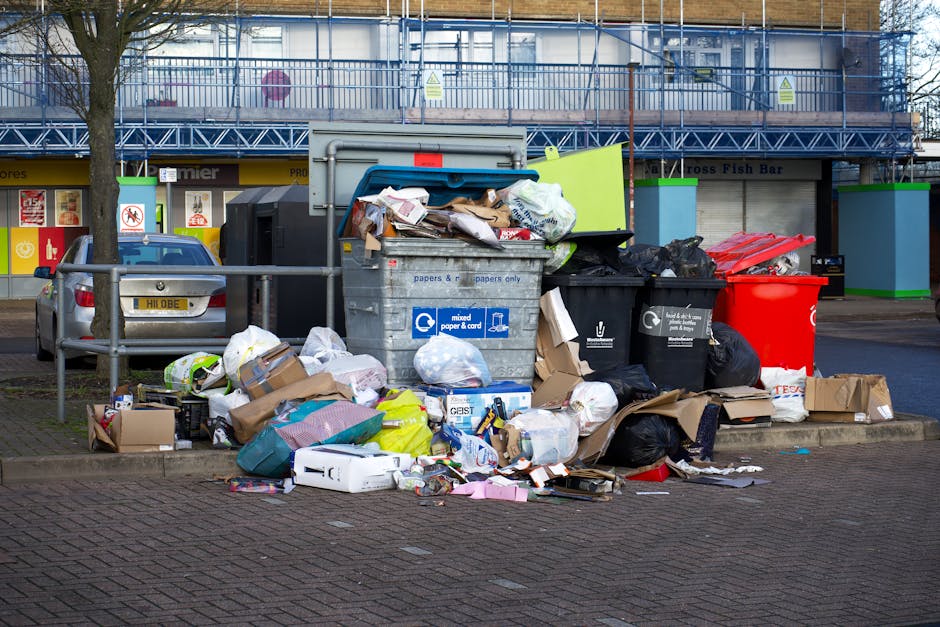
Cleaning jobs can generate waste in a few different ways. Sometimes it is obvious: removed carpet underlay, damaged curtains, packaging from new supplies, or a build-up of dust and debris after a deep clean. Sometimes it is less obvious: wastewater from extraction machines, contaminated cloths, disposable PPE, or waste picked up while cleaning a neglected property. In a busy place like West Drayton, where homes, rental properties, shops, offices, and transport links all mix together, a sloppy waste routine stands out quickly.
The main reason the rules matter is simple: waste has to be stored, separated, moved, and disposed of in a way that does not create nuisance, contamination, or avoidable risk. That protects neighbours, customers, workers, and the environment. It also protects your reputation. Nobody wants a good clean remembered for a messy pile of rubbish left on the pavement or the smell from a bin bag that should have gone straight out.
For businesses, there is another layer. Customers expect professional standards. If you are operating a commercial carpet cleaning service or handling periodic work in offices, schools, managed blocks, or hospitality sites, the waste process is part of the service, not an afterthought. The same applies to domestic work, really. The client usually notices the finish, but they also notice whether the place is left neat, dry, and respectfully handled.
Expert summary: Good waste handling is not just about bin bags. It is about planning what leaves the property, where it goes, who is responsible for it, and whether anything needs special treatment. Get that right and the rest of the job tends to feel smoother.
How Hillingdon Council waste rules for West Drayton cleaning jobs Works
In practice, waste rules for cleaning jobs usually work across three stages: sorting, containment, and collection or transfer. The exact details can vary depending on the property, the type of waste, and whether the work is domestic, commercial, or contract-based. But the basic flow is fairly consistent.
1) Sort the waste at source
Before anything is removed from site, it should be separated as much as possible. Recyclable packaging should not be mixed with contaminated waste if it can be avoided. Broken fixtures should not be thrown in with general rubbish if they can be separated. If you are dealing with specialist residue, such as heavily soiled textiles or pest-affected material, that needs extra caution. No drama, just process.
2) Contain it properly
Containment matters more than people sometimes realise. Closed bags, lidded containers, sealed tubs for wastewater, and lined vehicles all help prevent leaks and odours. For example, after a steam carpet cleaning job, you may end up with dirty extraction residue, used pads, and assorted debris from the carpet fibres. That should be contained before it is moved anywhere else.
3) Transfer or collect it correctly
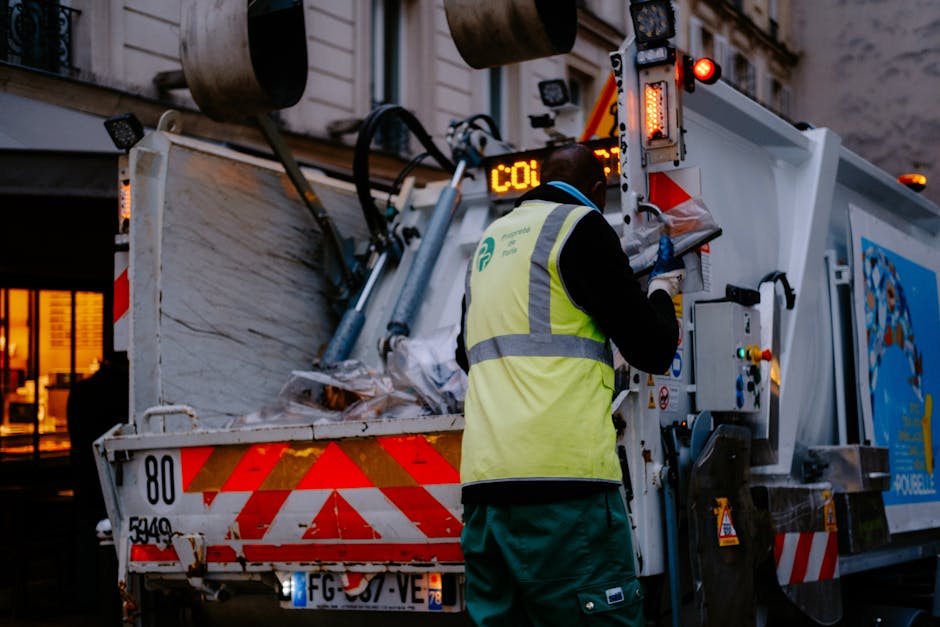
Once waste leaves the property, it should go where it is allowed to go. For ordinary domestic waste, that may mean the relevant household collection route, provided the item type is accepted. For business waste, the cleaner or business owner may need an arranged commercial collection. And for anything awkward - bulky items, large quantities, or potentially hazardous material - a more careful disposal route is usually needed. If a job has an unusual waste profile, it is better to pause and check than to guess. Guessing is rarely the bargain it seems.
Professional cleaners often build waste handling into the quote and job plan. That is smart. It helps avoid awkward conversations after the clean, especially if the customer expects removal of packaging, old items, or spoiled materials. If you are comparing providers, it is worth reviewing the company's pricing and quotes information so you understand what disposal or extra handling may be included.
Key Benefits and Practical Advantages
Following local waste rules and building proper disposal habits into a cleaning job gives you more than compliance. It improves the whole service. Here are the biggest practical wins.
- Cleaner finish: The property looks genuinely finished rather than half-done.
- Lower disruption: Clients do not need to chase leftover bags or wonder what to do with debris.
- Reduced complaint risk: Less mess outside means fewer neighbour issues and fewer awkward calls.
- Better safety: Proper containment reduces slips, spills, and cross-contamination.
- Stronger trust: People notice when a business handles the unglamorous part well.
- More efficient workflow: A waste plan saves time on site. Not much fuss, fewer backtracks.
There is also a quieter benefit: the job feels more professional. A cleaner who finishes by checking for residues, wiping down touch points, and removing waste properly leaves an impression. That matters in West Drayton, where word travels quickly between landlords, tenants, office managers, and homeowners. The difference between "they did a decent job" and "they were properly organised" can be one tidy final sweep of the space.
If sustainability is part of your decision-making, look at providers that talk openly about recycling habits and low-waste working. The company's recycling and sustainability approach can be a useful signal that waste is being handled with care rather than just tipped into the nearest bin.
Who This Is For and When It Makes Sense
This topic matters to a fairly wide group of people, and not just professional cleaners. In real life, the waste side of a cleaning job comes up whenever something is removed, replaced, bagged, drained, or disposed of as part of the work.
Domestic customers
If you are booking a one-off deep clean, carpet clean, or upholstery job, you may need to know who handles used covers, staining residues, or items that cannot be washed and reused. A carpet job in a family home can produce a surprising amount of lifted dirt. Small, but noticeable. That dark water in the machine tank? It tells its own story.
Landlords and letting agents
End-of-tenancy cleans often involve more waste than people expect. There may be abandoned items, cleaning residues, damaged soft furnishings, or packaging from replacement parts. When a flat has been empty for a while, you often find a bit of everything tucked behind a sofa or under a radiator.
Businesses and facilities teams
Offices, retail units, clinics, and managed sites often need cleaning outside normal hours. That means waste has to be removed quietly, safely, and without leaving bins overfilled or service areas messy. It is one thing to clean a room; it is another to leave a shared loading bay tidy by 7am.
Specialist cleaning customers
If you are dealing with pet accidents, stubborn stains, or heavily used furniture, the waste profile changes. A job like pet stain odour removal may involve more contaminated material than a standard surface clean. That does not mean it is complicated, but it does mean the handling needs more thought.
Truth be told, the best time to think about waste rules is before the van turns up. That saves a lot of awkwardness. "Can you take this too?" is a much easier question to answer when the scope was clear from the beginning.
Step-by-Step Guidance
If you want a practical process you can actually use, this is a good place to start. It works for both small domestic cleans and bigger commercial jobs, with a few adjustments.
- Check the scope before the visit.
Ask what is being cleaned, what is being removed, and whether any waste needs collecting. This includes old textiles, damaged small items, packaging, or contaminated materials. - Identify the waste types.
Separate general waste, recyclable items, reusable materials, and anything that might need special handling. It does not have to be overcomplicated. Just sensible. - Prepare the right containers.
Use the right bags, tubs, sacks, or lined boxes before the job starts. If you are moving wet waste or extraction residue, make sure the container will not leak. - Protect the route out of the property.
Lift bags carefully, seal them properly, and avoid dragging dirty items across clean floors or communal spaces. - Keep dangerous mixing to a minimum.
Do not mix chemicals, wastewater, sharps, or broken objects into general rubbish. That is how small issues become annoying ones. - Remove waste promptly.
Once it is bagged and labelled, if relevant, get it out of the way. Leaving it in an entrance hall or hallway tends to create smells and trip hazards. - Confirm final disposal responsibility.
If the waste is staying with the property owner, make sure that is understood. If the cleaner is taking it away, the handover should be clear and documented where needed. - Check the area before you leave.
Look for drips, debris, loose packaging, or forgotten bags. A final two-minute walk-through prevents the classic "oh, sorry, I left that by the back door" moment.
For fabric-heavy jobs, the process can include a final protection step too. Some cleaners treat fabric with stain reduction or post-clean deodorising, then take the used cloths and disposable materials off site. If you are interested in those kinds of services, the pages on stain removal and upholstery cleaning show how detailed textile care can tie into a cleaner waste process.
Expert Tips for Better Results
After enough cleaning jobs, a few habits prove themselves over and over. These are the ones worth keeping close.
Keep a small waste kit on the van
A decent set of strong bags, gloves, sealable tubs, absorbent pads, wipes, and ties solves a lot of problems. It is boring. It also works.
Separate wet and dry waste early
Wet waste behaves differently. It smells faster, leaks faster, and gets messy quicker. Keep it separate from dry debris and textiles wherever possible.
Be conservative with chemicals
Use only what you need. Too much solution means more residue to manage, more rinsing, and more wastewater concerns. In practical terms, a lighter touch usually means less waste. Funny how that works.
Build in a post-job disposal check
Before driving away, check the boot, the trolley, the doorway, and the work area. Sounds obvious, but everyone has had a day when one hidden bag nearly came home. Everyone.
Work with the property layout
Shared corridors, narrow stairs, and busy entrances need extra care. In West Drayton, some properties have limited access or tight parking, so moving waste efficiently matters as much as cleaning itself.
If you are a business client, it may also be worth asking whether the contractor follows documented safety procedures. The company's health and safety policy and insurance and safety information can help you judge whether they work in a properly organised way.
Common Mistakes to Avoid
This is where many jobs go slightly sideways. Usually not catastrophically. Just enough to create extra work, complaints, or avoidable risk.
- Leaving waste until the end: If you pile everything by the door and deal with it later, you risk forgetting something or blocking access.
- Assuming the client knows the rules: They often do not. A clear explanation prevents confusion.
- Mixing waste types: Recyclables, contaminated waste, and ordinary rubbish should not be tossed together without thinking.
- Underestimating wet materials: Damp cloths, extraction waste, and saturated pads can leak and smell quickly.
- Not checking bulky items in advance: A mattress, rug, or damaged sofa can change the waste plan entirely.
- Using the wrong vehicle setup: Unlined or poorly packed vehicles are a headache waiting to happen.
- Ignoring communal spaces: Hallways and shared bins are where complaints often begin.
Another common issue is scope creep. A customer books a carpet clean, then asks if you can remove a ruined runner, some packaging, and a broken chair. Sometimes that is fine, sometimes not. The main thing is to agree it properly. If furniture disposal is part of the job, a service like sofa cleaning may be paired with removal planning, but it should always be discussed early rather than assumed late.
Tools, Resources and Recommendations
You do not need specialist software to manage cleaning-job waste well, but a few practical tools make life much easier.
Basic equipment that helps
- strong refuse sacks
- heavy-duty ties or seals
- spill-proof tubs or buckets
- absorbent cloths and pads
- gloves suitable for dirty or damp waste
- a labelled container system for mixed jobs
- van liners or washable boot protection
Good working habits
- keep a written job brief for larger cleans
- note whether the client expects any waste removal
- separate dry fabric waste from contaminated materials
- plan for parking and access before arrival
- confirm where the final bags will go
Service pages that may help you plan the job
Different cleaning tasks create different waste patterns. A thick pile carpet clean is not the same as a delicate curtain job. Likewise, a rug clean, mattress job, or upholstery clean may produce different residues and bagged materials. If you are planning a broader clean, the pages for carpet cleaning, curtain cleaning, mattress cleaning, and rug cleaning are useful starting points for understanding how different materials affect the work.
Law, Compliance, Standards, and Best Practice
It is sensible to be careful here. Waste requirements can depend on the nature of the waste, the setting, and who is responsible for it. Rather than treat this as a fixed one-size-fits-all rulebook, it is safer to think in terms of accepted UK waste handling practice, local authority expectations, and good-duty-of-care behaviour.
In general, cleaners and property managers should aim to:
- avoid fly-tipping or leaving waste in the wrong place
- prevent leakage, nuisance, and contamination
- store waste safely until it is collected or transferred
- keep clear responsibility for disposal
- separate recyclable material where practical
- handle any potentially hazardous item with caution
For businesses, documentation matters too. If you are arranging regular cleaning work, you should know who is taking responsibility for waste and how that waste is being moved off site. That is standard good practice, not just paperwork for the sake of it.
There is also a practical distinction between domestic waste from a one-off clean and business waste from a contract job. Commercial work often needs clearer scheduling, tighter collection routines, and stronger record-keeping. If you manage a portfolio of premises or a trading site, a service like commercial carpet cleaning can fit better when waste responsibilities are defined in advance.
Best practice in one line: if waste is created by the job, the plan for removing it should be written into the job before the clean starts.
Options, Methods, and Comparison Table
There are several ways cleaning-job waste can be handled. The right method depends on the volume, the type of material, and whether the work is domestic or commercial. Here is a straightforward comparison.
| Method | Best for | Pros | Watch-outs |
|---|---|---|---|
| Client-managed disposal | Small domestic jobs with ordinary waste | Simple, low cost, easy to arrange | The client must know what can be accepted and when |
| Cleaner-managed removal | Deep cleans, bulky waste, contract work | Saves time for the client, keeps the job tidy | Needs clear scope and correct handling |
| Mixed on-site sorting | Jobs with some recyclable and some contaminated material | Improves separation and lowers waste volume | Takes more time and a bit more care |
| Special handling pathway | Potentially hazardous or unusual waste | Safer and more controlled | May need extra planning and cost |
For many West Drayton customers, the practical answer is a blend: the cleaner removes the obvious waste, the client handles normal household refuse, and anything unusual is discussed in advance. That is usually the least messy solution, and frankly the least stressful.
Case Study or Real-World Example
Here is a realistic example from the kind of work that happens all the time, especially in rental properties.
A tenant moves out of a flat in West Drayton after a long winter lease. The carpet near the entrance is muddy, the sofa has pet marks, and there are a few abandoned items in the bedroom: a broken lamp, some packaging, and a stained throw. The landlord wants the property turned around quickly for new viewings.
The cleaner arrives with a clear scope: treat the carpet, clean the sofa, deal with the obvious stains, and remove the waste created by the job. During the visit, the team separates reusable cleaning materials from bagged rubbish, keeps damp cloths sealed, and checks that the hallway stays clear for neighbours. The stained throw is assessed separately, since textile waste and domestic rubbish are not always handled the same way. The sofa clean is completed using a method appropriate to the fabric, and the waste is bundled neatly for disposal or handover as agreed.
The result is not just a cleaner flat. It is a less stressful handover. The landlord is not left wondering what happened to the waste, and the incoming tenants see a place that feels properly looked after. Small thing? Maybe. But it matters. Especially when the keys need to move on the same afternoon.
That same approach can work for homeowners too, whether the job involves sofa cleaning, upholstery cleaning, or stain-focused work that leaves a few disposable materials behind. If the waste is handled as part of the service, the whole experience feels easier.
Practical Checklist
Use this checklist before and during any cleaning job that may create waste in West Drayton.
- Confirm what waste the job may create
- Ask who is responsible for disposal
- Separate general, recyclable, and contaminated waste
- Prepare bags, tubs, and liners before starting
- Protect floors, entrances, and shared spaces
- Keep wet and dry waste apart where possible
- Seal waste securely before moving it
- Check whether bulky items need special handling
- Remove waste promptly after the clean
- Do a final walk-through for drips, scraps, and forgotten bags
- Make notes for recurring commercial jobs
- Review sustainability or recycling expectations if relevant
Quick take: the safest and cleanest jobs are usually the ones where waste handling was planned before a single cloth touched the floor.
Conclusion
Hillingdon Council waste rules for West Drayton cleaning jobs are not something to treat as a side note. They shape how the job is planned, how waste is contained, and how safely everything leaves the property. Get the process right and you protect the client, the team, the neighbours, and your own reputation. That is true whether the job is a simple domestic carpet clean or a larger commercial contract with more complex waste.
The practical message is straightforward: sort early, contain properly, remove waste cleanly, and agree responsibility before the work begins. It sounds simple because, in truth, it mostly is. The difficulty comes when people skip the plan and hope it all works itself out. Usually, it does not.
If you want a cleaner result, fewer surprises, and a job that feels properly finished, waste handling deserves a place in the conversation from the start. A tidy exit is part of a tidy clean.
Get a free quote today and see how much you can save.
And if you are still unsure how a particular cleaning job should be handled, ask early. That one small question can save a lot of mess later, and a calmer finish is always worth it.
Frequently Asked Questions
What counts as waste on a West Drayton cleaning job?
It can include bagged dirt, used cloths, disposable protective items, packaging, extracted residue, damaged small items, and sometimes bulky materials like old textiles or furnishings. The exact mix depends on the job.
Do cleaning companies normally remove waste themselves?
Sometimes yes, sometimes no. It depends on the service agreement. Small amounts may be part of the clean, while larger or unusual waste often needs to be agreed in advance.
Can dirty water from carpet cleaning go straight down a drain?
Not always. It depends on the material in the water and the setup at the property. A professional cleaner should use a safe and appropriate method rather than assume one universal answer.
What should happen to old cloths, pads, and wipes?
They should be separated from general rubbish if they are contaminated or heavily soiled. Clean reusable materials should be washed and reused where possible, while disposable items should be bagged securely.
Are commercial cleaning jobs treated differently from domestic ones?
Usually yes. Commercial work often needs clearer waste responsibility, tighter scheduling, and more formal handling because the volumes and obligations can be different.
What if a job creates bulky waste like a broken sofa or mattress?
That usually needs to be agreed separately. Bulky waste is not the same as ordinary household rubbish, and it may need a special collection or a different disposal route.
How can I tell if a cleaning company is organised about waste?
Look for clear job scoping, sensible pricing, safety information, and straightforward answers about what happens to waste after the clean. A well-run company should not be vague about it.
Is recycling important for cleaning jobs?
Yes, where practical. Packaging, some dry materials, and reusable items should be separated if possible. It is a simple way to reduce unnecessary waste and show better care.
What is the biggest mistake people make with cleaning waste?
Leaving it until the end and assuming someone else will sort it out. That is when bags get missed, corridors get cluttered, and simple jobs turn awkward.
Do I need to think about waste rules for a small home clean?
Even small jobs can create waste, especially if there are stained textiles, damaged items, or lots of packaging. The scale is smaller, but the same common-sense handling still helps.
Should waste handling be included in the quote?
Ideally yes, especially for larger, commercial, or bulky jobs. Clear pricing avoids confusion and helps everyone understand what is included.
Where can I learn more about how a cleaner works responsibly?
Review pages that explain safety, sustainability, and service scope, such as about the company, recycling and sustainability, and the company's terms and conditions. Those pages help show how a provider thinks about the job from start to finish.